
Aaj ke digital era me, cryptocurrency investments rapidly grow kar rahe hain. Is growth ke sath, Crypto Wallet vs Exchange Wallet Safety ka debate sabse important ho gaya hai. Bitcoin, Ethereum aur altcoins me invest karne ke liye aapko bas sahi trading strategy hi nahi, balki apne crypto assets ki security par bhi focus karna zaruri hai.
Wallet selection directly affect karta hai ki aapke funds hack-proof aur safe rahenge ya nahi. Is guide me hum detail me discuss karenge Crypto Wallet vs Exchange Wallet Safety, pros, cons, advanced strategies, aur real-life examples ke saath, jisse aap informed decision le sakein aur apne crypto funds ko secure rakhein.
Pro Tip: Security me compromise kabhi mat karein; proper wallet selection aur storage se aapke crypto assets long-term safe rahenge.
1. Crypto Wallet Kya Hota Hai?
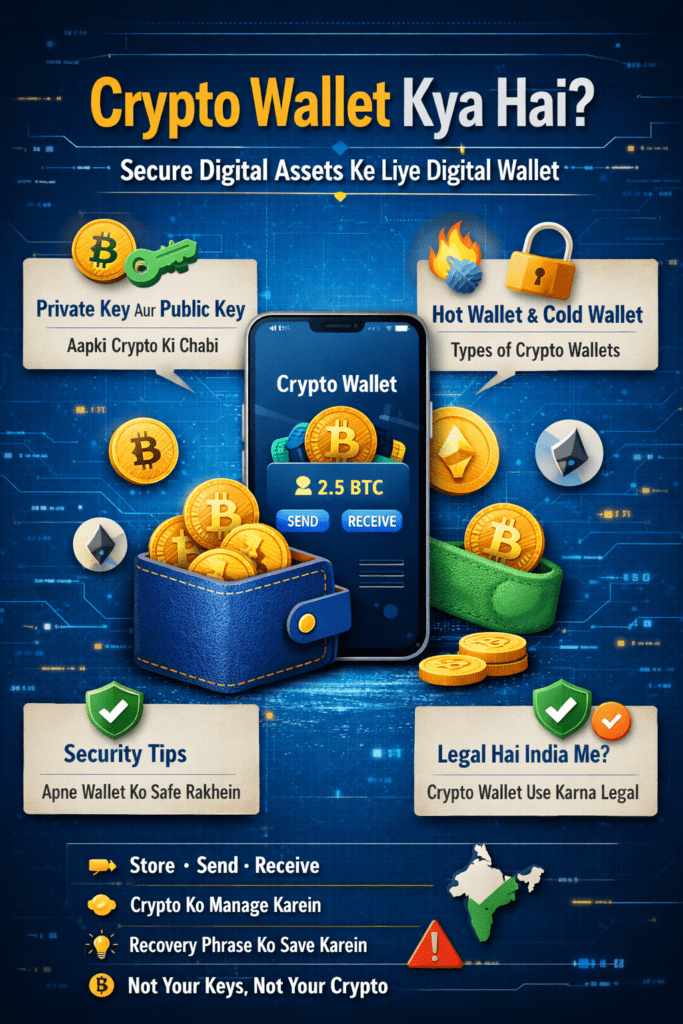
Crypto wallet ek digital tool hai jo aapki cryptocurrency ke private keys ko store karta hai aur blockchain network access provide karta hai. Dhyaan rahe, blockchain me coins kabhi delete nahi hote; wallet ka kaam sirf aapko un coins ko manage karne aur transfer karne ka control dena hai.

1.1 Self-Custody ka Concept
Self-custody ka matlab hai ki aap apne coins ke 100% owner ho. Aapke paas private keys hoti hain, jo aapke assets ka control define karti hain. Is ownership ka sabse bada advantage ye hai ki aap centralized exchanges ya third-party platforms par dependent nahi hote. Agar exchange hack ho jata hai ya regulatory freeze aata hai, to aapke coins safe hote hain.
1.2 Types of Crypto Wallets
1.2.1 Hot Wallets (Internet-Connected)
Hot wallets internet se connected wallets hote hain jo fast transactions aur dApp integrations ke liye ideal hai.
- Mobile Wallets: Trust Wallet, MetaMask – simple interface, quick access
- Desktop Wallets: Electrum, Exodus – advanced features, malware risk thoda zyada
- Web Wallets: Browser-based wallets – convenient, lekin phishing aur hacking risk high
Pros:
- Instant transactions
- dApps integration
- Easy setup
Cons:
- Malware aur phishing attacks ka risk
- Internet dependency
1.2.2 Cold Wallets (Offline Storage)
Cold wallets offline storage hote hain aur maximum security provide karte hain.
- Hardware Wallets: Ledger, Trezor – long-term secure storage
- Paper Wallets: Seed phrase print karna aur offline store karna
- Steel Wallets: Fireproof aur water-resistant seed phrase storage
Pros:
- Hacker-proof
- Offline security
- Long-term storage ke liye ideal
Cons:
- Costly
- Setup thoda complex
- Frequent trading ke liye less convenient
1.3 Seed Phrase Importance
Har wallet me 12–24 word ka seed phrase hota hai, jo aapka master key ka kaam karta hai. Agar wallet lose ho jaye ya damage ho, ye phrase se aap funds recover kar sakte hain.
Important: Seed phrase ko kabhi bhi online store na karein, aur prefer karein offline paper ya metal storage. Multi-location backup rakhein aur kisi ke saath share na karein.
Pro Tip: Seed phrase recovery ke bina aapke coins permanently lost ho sakte hain. Isliye iska backup rakhna critical hai.
2. Exchange Wallet Kya Hota Hai?
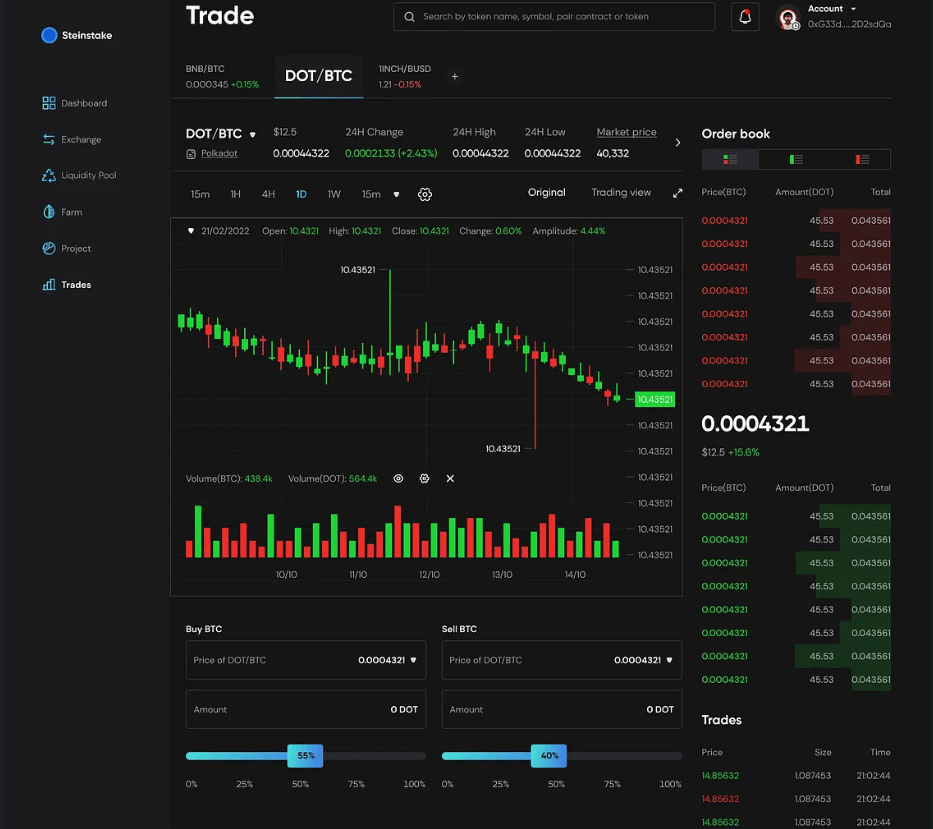
Exchange wallet wo wallet hai jo aapko Binance, Coinbase, WazirX jaise platforms par milta hai. Yahaan aapka crypto technically exchange ke database me store hota hai aur private keys exchange ke paas hoti hain, na ki aapke paas.
2.1 Custodial vs Non-Custodial
- Custodial Wallet (Exchange Wallet): Private keys exchange ke paas hoti hain. Aap basically trust karte hain ki exchange aapka fund safe rakhega.
- Non-Custodial Wallet (Crypto Wallet): Private keys aapke control me hoti hain. Aap hi true owner hote hain.
2.2 Exchange Wallet ke Pros & Cons
Pros:
- Extremely beginner-friendly
- Quick trading aur staking options
- Fiat integration aur instant deposit/withdrawal
- Customer support available
Cons:
- Centralized risk – hack hone par fund loss ho sakta hai
- Regulatory freeze ya insolvency ka risk
- Limited insurance
Remember: “Not Your Keys, Not Your Crypto.” Agar keys aapke control me nahi hain, to technically coins aapke nahi hain.
3. Crypto Wallet vs Exchange Wallet: Detailed Comparison
| Factor | Crypto Wallet (Self-Custody) | Exchange Wallet (Custodial) |
|---|---|---|
| Private Key Control | Full | Exchange |
| Ownership | 100% | Conditional |
| Hacking Risk | Low (cold wallet) | High (target for hackers) |
| Recovery | Seed phrase | Exchange policies |
| Regulatory Freeze | Almost impossible | High risk |
| Convenience | Medium | Very easy |
| Trading | Less convenient | Instant |
| Insurance | No | Limited |
| Anonymity | High | Low |
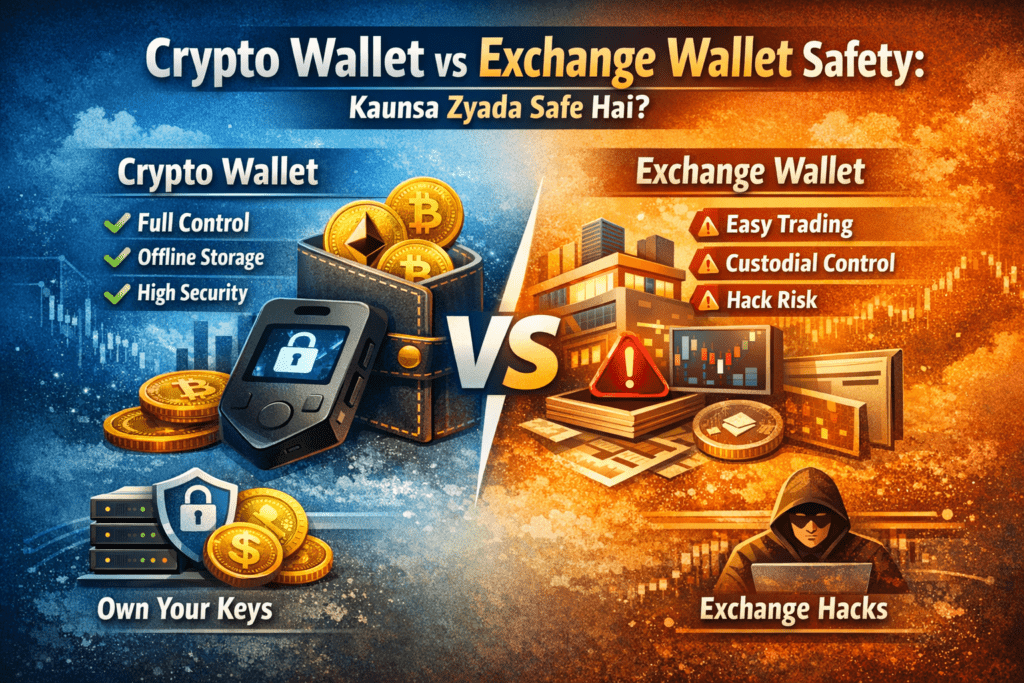
Verdict: Agar aap security aur ownership prefer karte hain, to crypto wallet best hai. Agar aapko convenience aur instant trading chahiye, to exchange wallet better hai.
4. Security Analysis
4.1 Ownership & Control
Crypto wallet me aapke paas full control hota hai. Cold wallets me hacking ka risk minimal hai. Exchange wallets me aap centralized platform par dependent hote hain, aur agar exchange hack ho jaye, to aapka fund permanently lost ho sakta hai.
4.2 Hacking History
Exchange hacks jaise:
- Mt. Gox (2014): 850,000 BTC lost
- Coincheck (2018): $534 million NEM coins lost
- FTX (2022): Regulatory failure aur fund loss
Crypto wallet hacks mostly user errors ki wajah se hote hain (phishing, malware, lost seed) jo preventable hai.
4.3 Regulatory Risk
Exchanges ka account freeze ho sakta hai due to legal action ya government regulation, lekin self-custody wallets practically regulation-free hote hain.
4.4 Insurance & Backup
Exchanges limited insurance provide karte hain aur wo bhi case-specific hoti hai. Cold wallets ke liye insurance nahi, lekin aapke coins physically secure hote hain.
5. Beginners ke Liye Strategy
- Small Start: Exchange wallet se start karein taaki trading aur staking seekh sakein.
- Gradual Shift: Portfolio grow hone par funds hot wallet ya cold wallet me transfer karein.
- Avoid Common Mistakes:
- Seed phrase online store na karein
- Fake apps aur phishing links se bachein
- High-risk DeFi projects se door rahein
Pro Tip: Beginners ko recommended hai ki small capital exchange wallet me rakhein, aur long-term aur high-value assets cold wallet me shift karein.
6. Advanced Users: Multi-Layer Security
- Cold Wallet: Long-term storage (70–90%)
- Hot Wallet: Operational funds (10–20%)
- Exchange Wallet: Trading liquidity (5–10%)
- Multi-Signature Wallets: Multiple approvals required
- Air-Gapped Devices & Metal Seed Storage: Disaster-proof
Portfolio segregate karke aap trading, long-term holding, aur privacy coins alag rakhein. Isse hacks aur mistakes ka risk minimize hota hai.
7. Step-by-Step Wallet Setup (Detailed)
- Cold Wallet Setup (Ledger/Trezor):
- Device unpack karein aur official website se firmware update karein
- Wallet pin set karein aur recovery seed generate karein
- Seed phrase securely offline store karein
- Hot Wallet Setup (MetaMask/Trust Wallet):
- Official app download karein
- New wallet create karein aur seed phrase save karein
- App lock aur biometric authentication enable karein
- Exchange Wallet Setup:
- Account create karein aur KYC complete karein
- 2FA enable karein
- Withdrawal whitelist aur security alerts activate karein
8. Real Case Studies & Lessons
- Mt. Gox: Exchange vulnerability – crypto wallet importance
- Ledger Phishing: User errors – seed phrase protection
- Coincheck Hack: Centralized exchange risk
Lessons: Always prioritize self-custody, offline storage aur multi-factor authentication.
Conclusion Crypto Wallet vs Exchange Wallet Safety
- Crypto Wallet: Maximum security, full ownership, long-term investment ke liye ideal
- Exchange Wallet: Convenience, beginner-friendly, instant trading liquidity
- Pro Tip: Funds ko wisely split karein aur security pe compromise na karein