
A beginner-to-advanced guide explaining what a crypto exchange is, how crypto exchanges work, types of , benefits, risks, and how to choose the right
What is a Crypto Exchange?
A cryptocurrency exchange functions as the digital stock exchange of the crypto world. It is an online marketplace where individuals can buy, sell, and trade various cryptocurrencies, converting digital assets such as Bitcoin or Ethereum into traditional fiat currencies like USD, EUR, or INR, or into other digital tokens.
Essentially, crypto exchanges form the backbone of the crypto ecosystem. Without them, accessing cryptocurrencies would be limited to risky peer-to-peer transactions or complex mining processes. Exchanges serve three vital roles: providing liquidity to ensure assets can be bought and sold quickly, facilitating price discovery where market value is determined by supply and demand, and offering an accessible gateway for everyone—from first-time buyers to professional algorithmic traders—to engage in the digital asset economy. They act as vibrant town squares where global conversations about crypto value unfold in real time.

Why Crypto Exchanges Are Important
The significance of crypto exchanges cannot be overstated. First, they democratize access to global markets, enabling anyone with an internet connection and verified identity to trade assets worldwide, 24/7. Second, reputable exchanges enforce robust security frameworks and comply with regulations, providing a layer of protection and legitimacy absent in informal trading. Lastly, they aggregate a vast selection of cryptocurrencies and trading pairs, offering a one-stop platform for portfolio diversification far beyond Bitcoin, allowing users to explore thousands of projects and investment opportunities.
How Does a Crypto Exchange Work?
At its core, a crypto exchange operates like a sophisticated matchmaking service powered by advanced technology. It does not simply hold coins; instead, it uses complex software to connect buy and sell orders, maintain a secure transaction ledger, and safeguard user assets. This process seamlessly integrates user interface, backend engines, and security protocols.
The Trading Process
- Account Creation & Verification:The process begins with registration, requiring an email and a strong password. Most centralized platforms then require Know Your Customer (KYC) verification, including government-issued ID and sometimes proof of address. Though sometimes seen as intrusive, this step prevents fraud, money laundering, and aligns with global financial regulations to ensure platform security.
- Deposit Funds:Once verified, users fund their accounts by depositing fiat currency via bank transfer, credit card, or other methods, or by transferring cryptocurrencies from external wallets. These funds are credited to custodial wallets managed by the exchange.
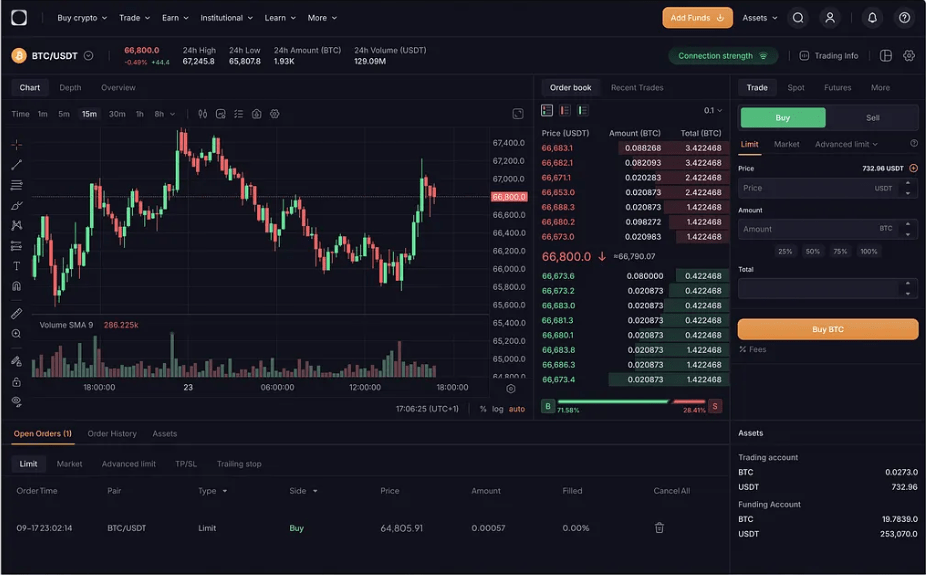
- Placing Orders:Users can place market orders that execute immediately at the best available price, prioritizing speed, or limit orders specifying a desired price to control execution but not timing.
- Order Matching:The exchange’s high-speed matching engine analyzes the order book—a real-time list of active buy and sell orders with quantities and prices. Using algorithms, it pairs compatible orders based on price-time priority, filling the best-priced orders first.
- Transaction Completion & Settlement:Upon matching, trades execute instantly. The exchange updates its ledger, debiting and crediting the respective accounts, with near-instantaneous settlement compared to traditional finance’s slower cycles. Updated balances then appear in users’ wallets.
Wallets and Fund Management
When depositing crypto to an exchange, users transfer custody of their assets to the platform, which manages wallets on their behalf.
- Hot Wallets:Connected to the internet, these wallets enable quick deposits, withdrawals, and trading but are more vulnerable to hacking.
- Cold Wallets (Cold Storage):Offline wallets, often hardware devices or paper wallets, where exchanges store the majority (usually over 95%) of user funds, protecting them from online threats. Reputable exchanges publicly confirm maintaining most assets in cold storage.
Security Measures on Exchanges
To protect assets and accounts, exchanges employ multiple layers of security:
- Two-Factor Authentication (2FA):A mandatory additional verification step during login or withdrawals, typically via apps like Google Authenticator, providing a strong defense even if passwords are compromised.
- Encryption:SSL encryption safeguards data transmission between users and servers, while at-rest encryption secures stored sensitive information.
- Asset Allocation & Insurance:Cold storage strategies are crucial, and leading exchanges also carry insurance policies to cover digital assets in custody in case of breaches.
- Penetration Testing & Audits:Regular independent audits and bug bounty programs help identify vulnerabilities and improve security continuously.
Types of Crypto Exchanges
The crypto exchange ecosystem is diverse, with models suited to different user needs and priorities.
Centralized Exchanges (CEX)
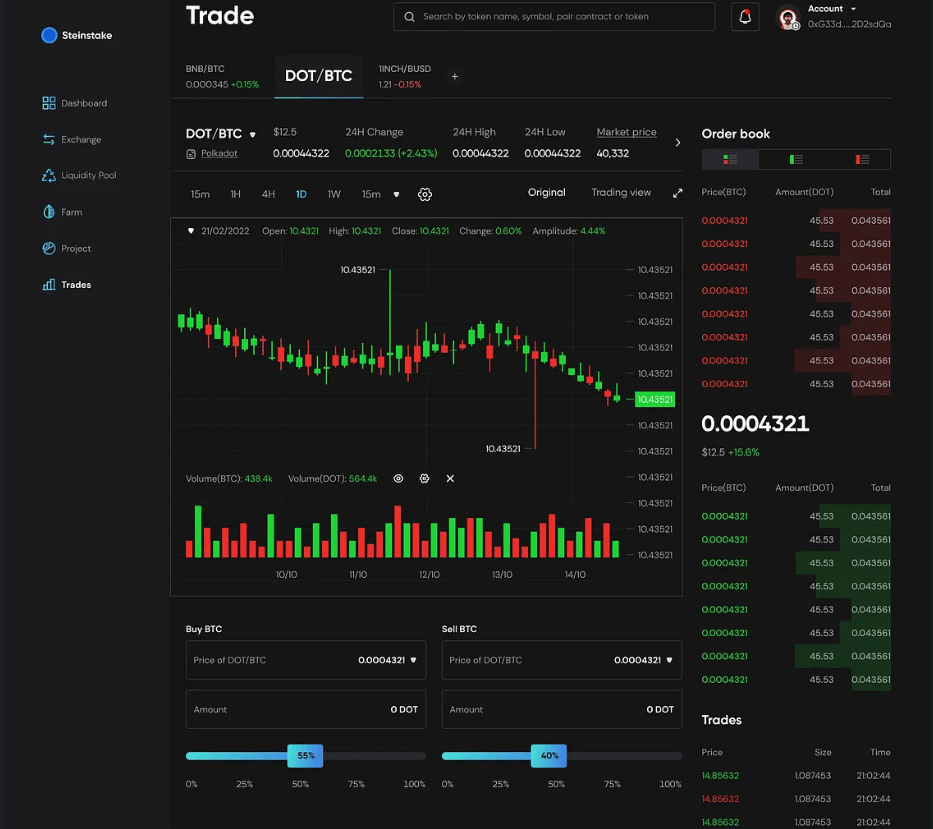
CEXs, such as Binance, Coinbase, and Kraken, are company-operated platforms acting as trusted intermediaries. They hold user funds, validate transactions, provide customer support, and maintain order books.
- Pros:Exceptional liquidity and fast transaction speeds, user-friendly interfaces with fiat on-ramps, and advanced features like margin trading, futures, staking, and lending.
- Cons:Custodial nature introduces counterparty risk; centralized systems are hacker targets and subject to government regulations which can lead to shutdowns.
Decentralized Exchanges (DEX)
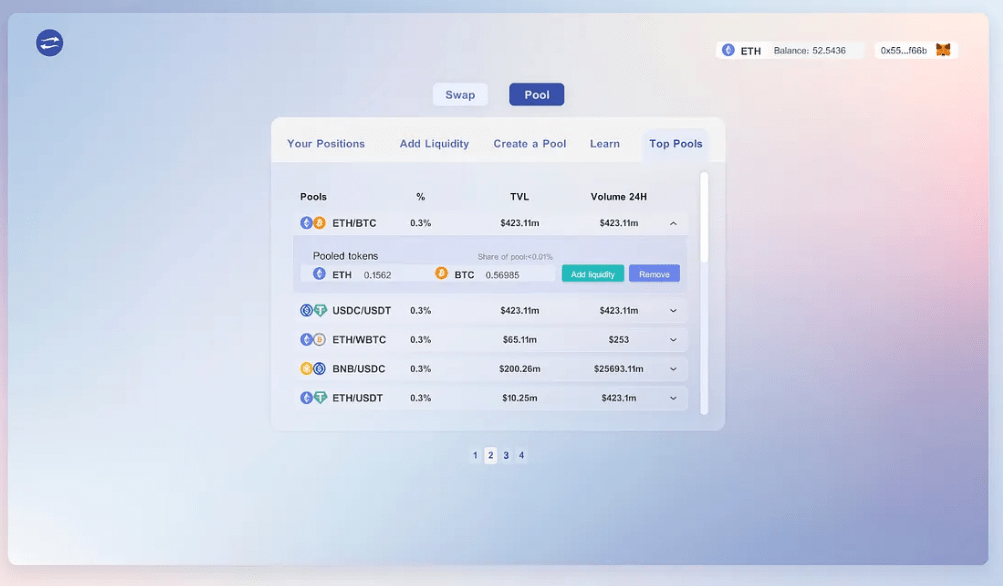
DEXs like Uniswap and PancakeSwap operate without central authorities. Trades occur directly between users’ wallets through smart contracts, giving users full custody of assets.
- Pros:Non-custodial, private, censorship-resistant, often without KYC requirements.
- Cons:Lower liquidity for less popular tokens, complex user experience for beginners, responsibility for one’s own security, and irreversible mistakes.
Hybrid Exchanges
Hybrid exchanges aim to combine CEX speed and liquidity with DEX security and self-custody. They may settle trades on-chain while managing order books off-chain. Although promising, they remain in early development stages.
Other Exchange Types
- Brokerage Platforms:Services like Robinhood or eToro sell crypto at marked-up prices, offering simplicity for beginners but limited control and withdrawal options.
- Peer-to-Peer Platforms (P2P):Platforms such as Paxful connect buyers and sellers directly with escrow services, crucial in regions with limited banking access.
- Futures & Derivatives Exchanges:Specialized platforms like Bybit and BitMEX offer leveraged trading and complex financial instruments, catering to professional traders.
Key Features of a Crypto Exchange
When choosing a platform, consider these critical factors:
- Asset Diversity:A wide, quality selection of cryptocurrencies and trading pairs enhances portfolio flexibility.
- Transparent Fee Structure:Clear disclosure of trading, deposit, withdrawal, and hidden fees ensures informed decisions.
- Security Posture:Prioritize exchanges with proven security records, including 2FA, cold storage, audits, and insurance.
- User Experience & Design:Intuitive interfaces reduce user errors and facilitate smooth trading on web and mobile.
- Liquidity Depth:High liquidity ensures fast, predictable trade execution.
- Customer Support & Resources:Reliable support and educational materials empower users and resolve issues promptly.
Benefits of Using a Crypto Exchange
- Accessibility & Convenience:Streamlined access to crypto markets and portfolio management.
- High Liquidity:Efficient markets with tighter spreads and ability to trade large volumes without significant price impact.
- Financial Ecosystem:Integrated services such as staking, loans, NFT marketplaces, and educational content.
- Price Discovery & Market Data:Real-time, transparent data to support informed investment choices.
- Regulatory Bridge:Compliance with laws, offering investor protections especially for institutions.
Risks of Using a Crypto Exchange
- Security Risks:Exchanges remain targets for hacking and breaches, with hot wallets particularly vulnerable.
- Regulatory Risks:Changing laws can restrict operations, freeze assets, or alter tax implications.
- Market Risks:Cryptocurrency volatility can cause rapid price swings, amplified by leverage.
- Custodial & Counterparty Risks:On CEXs, users do not legally own cryptocurrencies directly and depend on exchange solvency.
- Operational Risks:Withdrawal limits, software bugs, and user errors can disrupt trading or result in losses.
How to Choose the Right Crypto Exchange
- Prioritize Security:Investigate exchange history, security measures, and proof-of-reserves audits.
- Assess Your Needs:Match platform features to your experience level and trading goals.
- Evaluate Liquidity & Assets:Ensure sufficient volume and availability of desired cryptocurrencies and fiat.
- Understand Fees:Consider all costs including trading, withdrawal, and network fees.
- Test User Experience:Explore interfaces and mobile apps for ease of use.
- Check Legal Compliance:Confirm the exchange’s jurisdictional permissions align with your location.
- Research Support Reputation:Review user feedback on customer service effectiveness.
Future Trends in Crypto Exchanges
- Institutionalization & Regulation:Expect exchanges to adopt stricter global compliance, audited reserves, and deeper banking integration.
- DeFi and CeFi Convergence:The distinction between centralized and decentralized exchanges will blur, improving liquidity and user experience.
- Growth of Non-Custodial Services:Increasing demand for exchange-like platforms that do not hold user keys.
- Tokenization of Everything:Exchanges will facilitate trading of tokenized real-world assets on blockchain networks.
- AI-Powered Personalization:Artificial intelligence will enhance trading insights, risk management, and portfolio automation within platforms.
Frequently Asked Questions (FAQ)
A crypto exchange is an online platform where users can buy, sell, and trade cryptocurrencies like Bitcoin, Ethereum, and other digital assets using fiat money or other cryptocurrencies.
A crypto exchange works by matching buy and sell orders from users. Traders place orders, the exchange executes them using an order book or liquidity pool, and the assets are transferred securely to user wallets.
There are three main types of crypto exchanges: centralized exchanges (CEX), decentralized exchanges (DEX), and hybrid exchanges. Each type offers different levels of control, security, and liquidity.
Crypto trading focuses on short-term price movements to make quick profits, while crypto investing is a long-term approach where users hold cryptocurrencies expecting their value to grow over time.
Pingback: Bitcoin Halving 2024-25 How the Next 12 Months Could Change
Pingback: Crypto is Legal in India? Supreme Court Verdict, 30% Tax & Truth